
7 Omega 3 Rich Foods for Pregnancy
Published:Updated:
If you're choosing omega 3 rich foods for pregnancy, aim for 8–12 ounces of low-mercury seafood each week, while remembering that ALA intake rises to 1.4 g per day during pregnancy. Salmon, mackerel, sardines, and anchovies provide preformed DHA and EPA, while flaxseed, hemp seeds, and walnuts provide plant-based ALA that doesn't replace DHA on its own.
How can you support your baby's development without turning every meal into a nutrition project, mama? The answer starts with understanding what each omega-3 food provides. DHA and EPA are ready-to-use marine omega-3s, while ALA is the plant form your body can convert only to a limited extent. Think of DHA and EPA as ready-made building materials, while ALA is more like raw material that needs to be processed first.
This guide organizes seven pregnancy-friendly choices by how easily they fit real routines. You'll find low-mercury fish first, followed by flexible plant-based additions, with meal ideas, storage suggestions, and safety reminders along the way. For more context, you can also explore this omega 3 fish oil benefits guide.
- Why do DHA, EPA, and ALA matter during pregnancy?
- Which fatty fish makes an easy pregnancy meal?
- How can mackerel and sardines fit into your routine?
- Why are anchovies useful when your appetite is limited?
- Which plant-based foods add ALA?
- How can you build a pregnancy-friendly omega-3 routine?
Discuss your personal intake with your healthcare provider, especially if you have seafood allergies, avoid fish, take medication, or are considering an omega-3 supplement.
Table of Contents
- Why do DHA, EPA, and ALA matter during pregnancy?
- 1. Fatty Fish: Wild-Caught Salmon
- 2. Mackerel: The DHA Powerhouse
- 3. Sardines: Tiny Nutrition Powerhouses
- 4. Anchovies: Concentrated Omega-3s and Umami
- 5. Flax Seeds and Ground Flaxseed: Plant-Based Omega-3 Gateway
- 6. Hemp Seeds: Complete Plant Protein with Omega-3s
- 7. Walnuts and Walnut Oil: Convenient Omega-3 Snacks
- 7-Item Comparison: Omega-3 Foods for Pregnancy
- How Can You Build a Pregnancy-Friendly Omega-3 Routine?
Why do DHA, EPA, and ALA matter during pregnancy?
Omega-3s are a family of fats, not a single ingredient. DHA, or docosahexaenoic acid, and EPA, or eicosapentaenoic acid, are concentrated in seafood. ALA, or alpha-linolenic acid, comes mainly from plant foods such as flaxseed, hemp seeds, and walnuts.
Your body can convert ALA into EPA and DHA, but that conversion is limited. So a bowl of oatmeal with ground flaxseed is a nutritious choice, but it isn't nutritionally identical to eating salmon. That distinction matters for vegetarian and vegan pregnancies, where an algae-based DHA supplement may deserve a conversation with a clinician.
Guidance varies because formal EPA and DHA intake targets haven't been established in the same way as the pregnancy target for ALA. The NIH Office of Dietary Supplements pregnancy guidance notes an adequate intake of 1.4 g of ALA per day during pregnancy. It also summarizes expert recommendations for at least 250 mg per day of DHA plus EPA, with an additional 100–200 mg per day of DHA during pregnancy.
For people with low DHA intake or low DHA status early in pregnancy, clinical guidance summarized by NIH identifies a higher intake range of 600–1,000 mg per day of DHA plus EPA, or DHA alone, beginning in the second trimester and no later than about 20 weeks' gestation. That isn't a dose to choose on your own. It's a reason to ask your obstetric clinician whether your dietary pattern and prenatal supplement cover your needs.
Think in layers: seafood supplies preformed DHA and EPA, while seeds and nuts add ALA, fiber, protein, and variety.
1. Fatty Fish: Wild-Caught Salmon
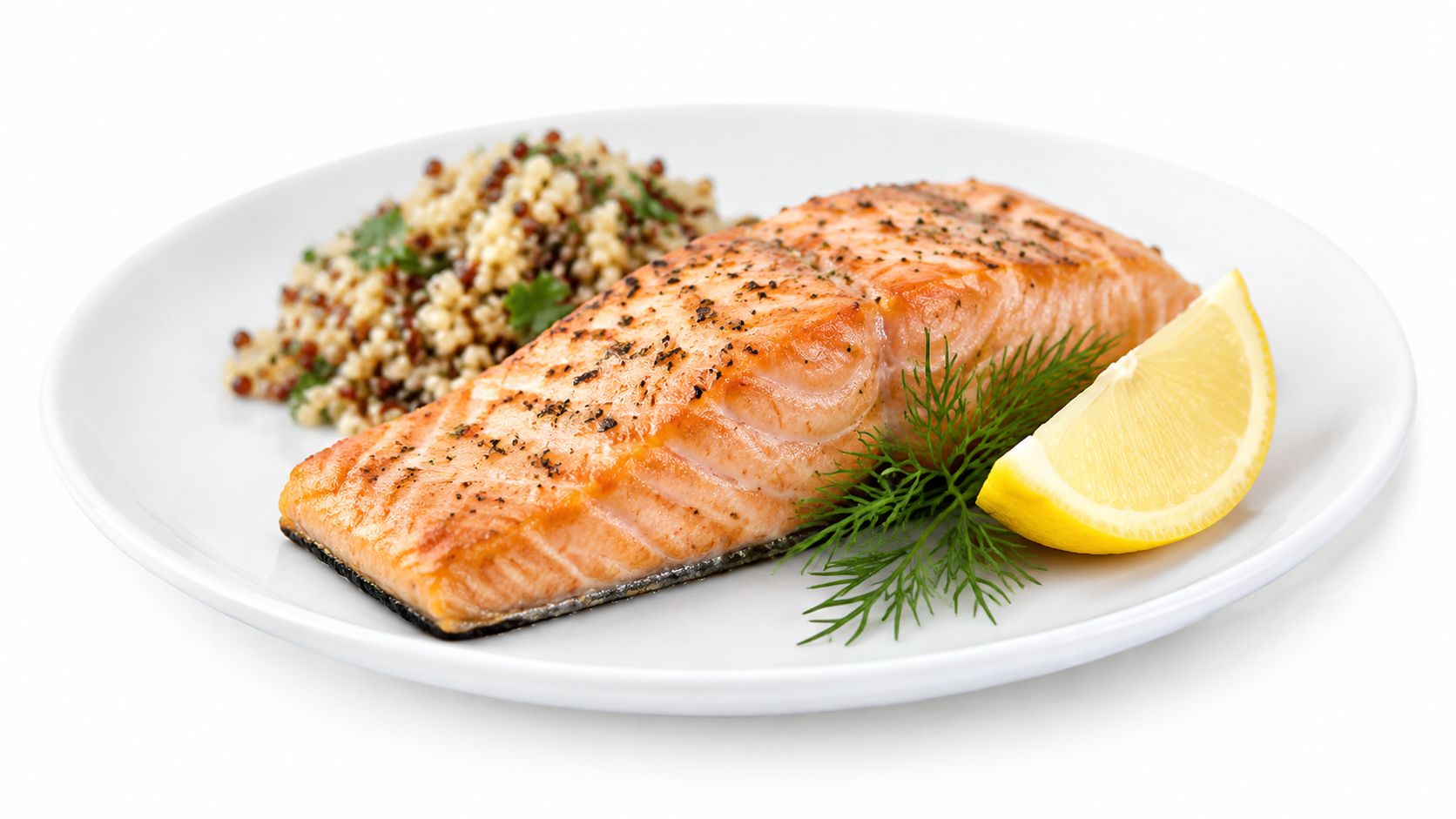
Salmon is a practical first choice because it delivers the forms of omega-3 your body can use directly, while fitting easily into a family dinner. Its mild flavor also works well when pregnancy nausea makes strongly seasoned foods difficult.
Try a baked fillet with quinoa and roasted vegetables, or flake cooked salmon over mixed greens with hemp seeds and a lemon-tahini dressing. Canned wild salmon can be useful for patties, wraps, or a quick salad, especially when standing over the stove sounds exhausting. You can also portion cooked salmon for freezer-friendly meals.
The FDA and EPA advise pregnant, potentially pregnant, and breastfeeding women to choose 2 to 3 servings of low-mercury fish per week, totaling 8–12 ounces weekly. Their fish safety advice lists salmon among the lower-mercury choices and recommends avoiding fish with higher mercury levels or limiting them to the stated guidance.
Make salmon easier on busy days
- Batch-cook one meal: Prepare enough for dinner and a next-day grain bowl.
- Choose canned when needed: High-quality canned wild salmon can be convenient and budget-friendly.
- Add vitamin C foods: Serve salmon with bell peppers, tomatoes, citrus, or broccoli as part of a balanced meal.
- Store promptly: Keep cooked salmon refrigerated and follow your provider's or local food-safety guidance for leftovers.
Salmon also supplies nutrients such as vitamin D, selenium, and B vitamins. For more food ideas featuring DHA, visit foods rich in DHA.
2. Mackerel: The DHA Powerhouse
Mackerel can deliver a lot of omega-3 in a small, flavorful serving, but the species matters. Pacific mackerel is included among the low-mercury choices that can contribute to the FDA and EPA weekly seafood recommendation. King mackerel is a different fish and is listed among the varieties to avoid during pregnancy because of mercury concerns.
That naming difference is easy to miss at the grocery store, so check the exact species on the package or ask the fish counter. Canned mackerel works well when you need a fast protein. Mix it with Greek yogurt, lemon, parsley, and herbs, then spread it on whole-grain toast with avocado and tomato.
You can also fold it into whole-grain pasta with roasted broccoli, or combine it with white beans, red onion, and lemon vinaigrette. If the flavor feels intense, bold ingredients such as garlic, capers, tomatoes, and citrus can make it more approachable.
A simple mackerel routine
Rinse canned fish if you're watching sodium, and look for products packed in water or olive oil. Keep opened portions refrigerated and use them according to package directions. If nausea is an issue, try introducing mackerel when your appetite is steadier, perhaps in a small sandwich rather than as a large stand-alone portion.
The NIH omega-3 fact sheet for health professionals explains that low-mercury seafood is recommended during pregnancy because it helps provide DHA and EPA while keeping mercury exposure within public-health guidance. Its cited analysis found that pregnant women's mean seafood intake was about 0.44 ounces per day, or roughly 3 ounces per week, and mean DHA intake was 60.3 mg per day from food and 76.7 mg per day from food plus supplements. Those figures illustrate why a convenient seafood option can matter when meals are inconsistent.
For a plain-language explanation of DHA, see DHA benefits during pregnancy.
3. Sardines: Tiny Nutrition Powerhouses
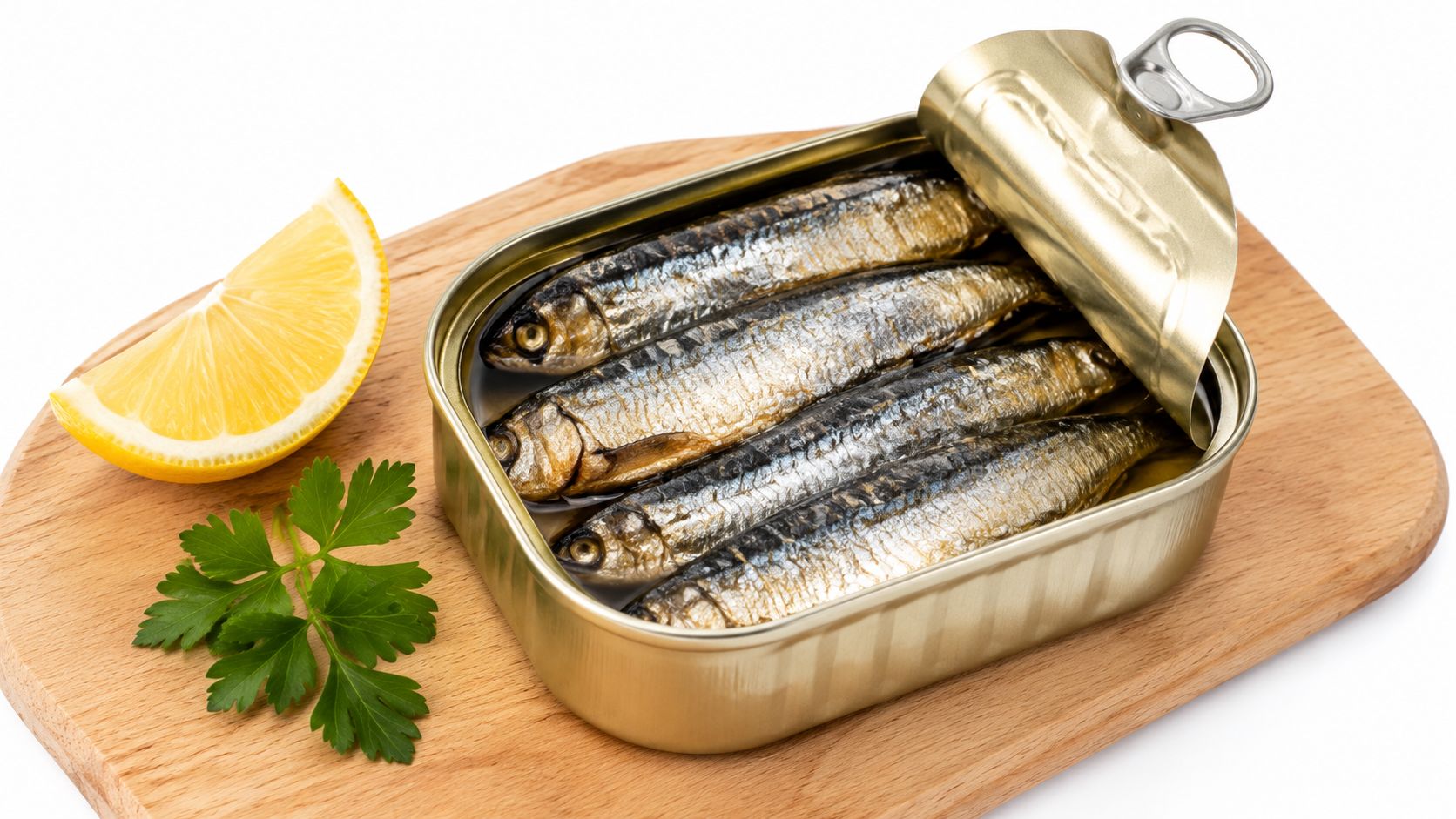
Need a low-effort seafood option during pregnancy? Sardines are small, pantry-friendly, and nutrient-dense, so they can provide a practical source of preformed DHA and EPA without thawing or elaborate preparation. Their compact size also makes them a useful way to add variety to your seafood choices.
For lunch, mash sardines with lemon, tomato, parsley, and avocado, then spread the mixture on toast. You can also add them to a Mediterranean salad with chickpeas, greens, olives, and vinaigrette. For dinner, toss sardines with garlic, spinach, and olive oil through pasta. If heartburn is bothering you, try a smaller serving earlier in the day with cooked vegetables.
Sardines' soft edible bones provide absorbable calcium, and the fish also supplies vitamin D, selenium, and iodine. If the bones make you hesitant, mash the sardines thoroughly into a spread or sauce. They usually blend into the texture.
Choose the version you'll eat
Look for sardines packed in water or olive oil. Rinse them when appropriate if you are watching sodium, and compare brands because texture, saltiness, and flavor vary. A whole-grain wrap with sardines, avocado, cucumber, and lemon makes a realistic lunch when you want something filling without a complicated recipe.
Cod liver oil is different from ordinary fish oil because its vitamin A content can vary. Read about that distinction in organic cod liver oil, and ask your healthcare provider before adding it to a prenatal routine.
Sardines can help you rotate seafood rather than relying on one fish. Choose low-mercury varieties and keep your total weekly seafood intake within the recommended range.
4. Anchovies: Concentrated Omega-3s and Umami
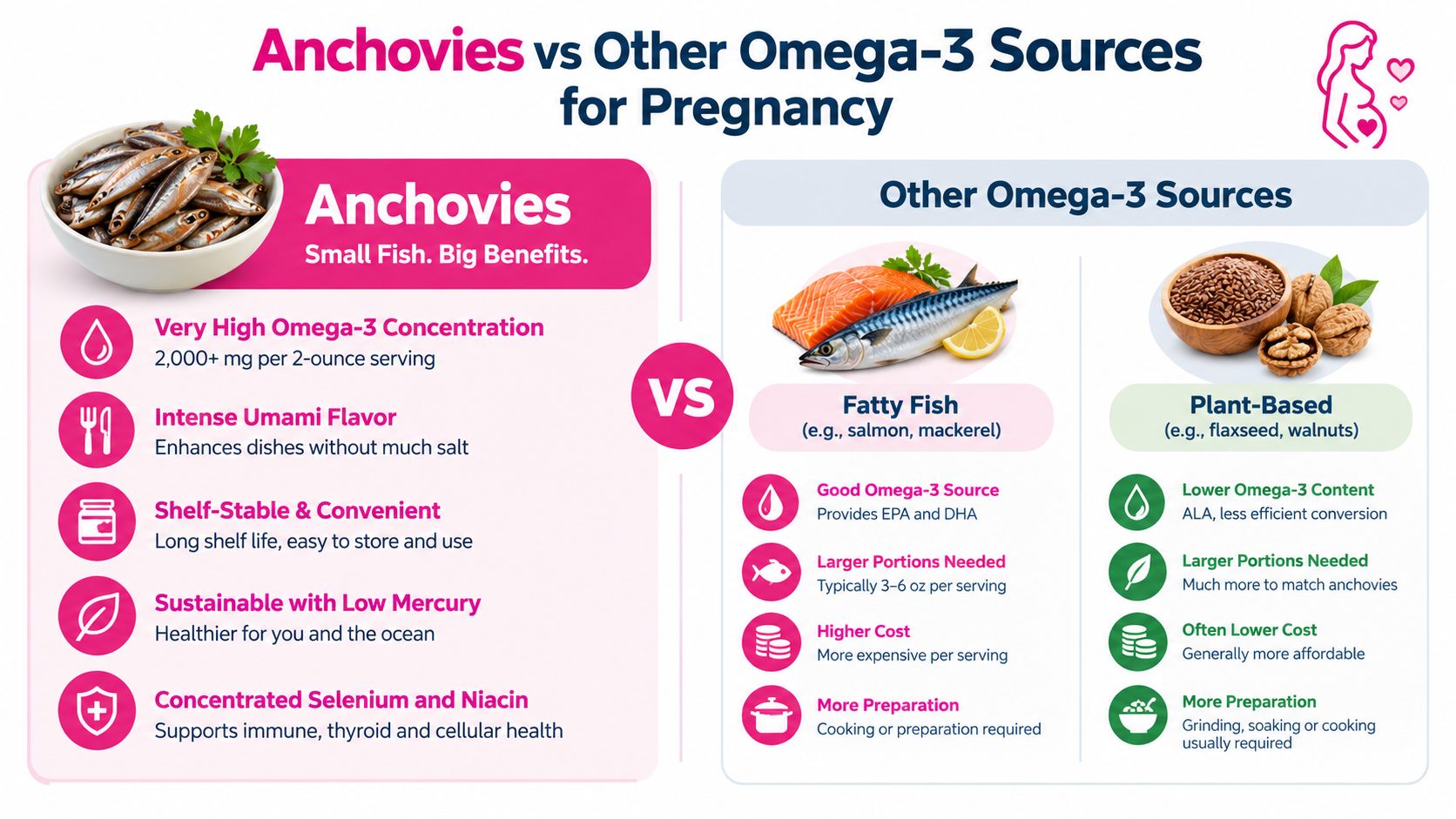
Anchovies don't need to be the main protein on your plate. Their strength is convenience. A small amount can add savory depth to foods you already tolerate, which is helpful when nausea, food aversions, or a limited appetite make large meals unappealing.
Stir finely chopped anchovies into a tomato-based soup, lentil stew, or pasta sauce. They melt into warm olive oil with garlic and spinach, creating a quick sauce for whole-grain pasta. You can also blend a small amount into a Caesar-style dressing or mash anchovies with olives and capers for toast.
This is a food where the preparation changes the experience. Rinsing canned or jarred anchovies can lower their saltiness, while chopping them finely spreads the flavor through the entire dish. If you're managing blood pressure, look for lower-sodium options and discuss your overall diet with your provider.
Use anchovies as a flavor tool
- Start small: Add a little to sauce rather than serving them alone.
- Balance the flavor: Lemon, tomatoes, garlic, and herbs soften their intensity.
- Build a quick meal: Toss anchovy-garlic oil with pasta and cooked greens.
- Check the label: Choose a lower-sodium product when available.
Anchovies are generally considered a low-mercury choice, but product labels and local guidance still matter. The FDA and EPA seafood chart is a useful place to confirm current fish recommendations before shopping.
Their umami flavor can make simple meals more satisfying without requiring rich sauces. That's especially useful on days when cooking feels like too much effort.
5. Flax Seeds and Ground Flaxseed: Plant-Based Omega-3 Gateway
Could a spoonful of ground flaxseed make breakfast more nourishing? It can add plant-based omega-3 in a practical way. Flax provides ALA, not preformed DHA or EPA, so it complements seafood or an algae-based DHA option rather than replacing either one.
Stir it into oatmeal, yogurt, chia pudding, or a smoothie. A bowl of Greek yogurt with berries, honey, and ground flaxseed requires little preparation and adds fiber alongside ALA. You can also mix it into whole-grain muffins or homemade energy bites.
Choose ground flaxseed instead of whole seeds because grinding helps your body access more of the nutrients. Grind a small amount yourself or buy it ground, then refrigerate or freeze it to help preserve freshness. Adding it to meals you already enjoy makes the habit easier to maintain.
Keep the plant-based distinction clear
The NIH lists pregnancy's adequate intake for ALA as 1.4 g per day in its pregnancy nutrient guidance. ALA and DHA or EPA are different fats, so meeting the ALA target does not automatically meet DHA or EPA needs.
- Breakfast: Stir ground flaxseed into oats or yogurt.
- Smoothies: Blend it with banana, nut butter, and milk or plant milk.
- Baking: Add it to muffins or snack bites.
- Storage: Refrigerate or freeze it, away from heat and light.
For vegetarian or vegan pregnancies, discuss preformed DHA with your healthcare provider. An algae-based option may be appropriate for some people. You can also read this Yuve guide to vegan omega 3 and review algae-based DHA supplements as educational resources, not as a substitute for personalized advice.
6. Hemp Seeds: Complete Plant Protein with Omega-3s
Hemp hearts have a mild, nutty taste and don't need grinding. Sprinkle them over yogurt, oatmeal, granola, salads, roasted vegetables, or a smoothie bowl. Their texture is softer than many nuts, so they're often easy to add when chewing feels unappealing.
They're especially useful in vegetarian and vegan meals because they provide plant protein alongside ALA. Try hemp seeds over a quinoa salad with roasted vegetables, or blend them into a smoothie with berries and coconut. For a portable snack, mix them into homemade energy balls with oats and nut butter.
Let hemp seeds support the whole meal
Hemp seeds work best as an addition, not as your only omega-3 strategy. Combine them with other plant sources such as flaxseed and walnuts, and include varied protein foods throughout the day. Pairing plant foods with iron-containing meals and vitamin C-rich produce can also support a balanced pregnancy eating pattern.
- Breakfast: Add hemp hearts to oatmeal or yogurt.
- Lunch: Sprinkle them over a green salad with beans and citrus.
- Snack: Fold them into energy balls or granola bars.
- Storage: Refrigerate opened packages and keep them away from heat and direct light.
Because hemp seeds are easy to eat without preparation, they can fit postpartum routines too. Keep a container in the refrigerator and add a spoonful to whatever meal you're already making. Your provider can help you adjust your overall intake if you're breastfeeding, following a restricted diet, or using supplements.
7. Walnuts and Walnut Oil: Convenient Omega-3 Snacks
Walnuts are the grab-and-go option on this list. Keep them beside sliced apples, berries, or whole-grain crackers for a snack that requires no cooking. You can also chop them into oatmeal, yogurt parfaits, salads, baked goods, or warm grain bowls.
Walnuts provide plant-based ALA, along with other nutrients such as copper, folate, and polyphenols. Their fat and fiber can make a snack feel more satisfying, but they still don't provide the same preformed DHA and EPA found in fatty fish. Use them as part of a broader plan rather than treating them as a complete substitute.
Walnut oil offers another format. Drizzle it over roasted vegetables or whisk it into a vinaigrette with lemon and herbs. It's better suited to dressings and gentle uses than high-heat cooking, so keep the bottle in a cool, dark place and follow its label instructions.
Make walnuts easy to portion
- Pack ahead: Place walnuts into small snack containers for busy mornings.
- Pair thoughtfully: Combine them with fruit, yogurt, or another protein-rich food.
- Use walnut oil: Add it to salads or cooked vegetables when solid food is difficult.
- Protect freshness: Store walnuts in a cool, dark cabinet or refrigerator.
A vegetarian prenatal plan may need additional attention to DHA. You can read about vegetarian prenatal vitamins with DHA and then bring your questions to your obstetric clinician or registered dietitian.
7-Item Comparison: Omega-3 Foods for Pregnancy
| Item | Preparation & Complexity 🔄 | Resources & Storage ⚡ | Omega‑3 Effectiveness ⭐📊 | Ideal Use Cases 💡 | Key Advantages |
|---|---|---|---|---|---|
| Fatty Fish: Wild‑Caught Salmon | Moderate, simple grilling/baking; fresh or canned options | Higher cost; refrigerate/freezer; choose wild‑caught when possible | ⭐⭐⭐⭐⭐, ~1,500–2,000 mg EPA/DHA per 3 oz; preformed DHA/EPA, high bioavailability 📊 | Regular prenatal meals to meet DHA targets; versatile recipes | Rich in DHA/EPA, vitamin D, selenium, complete protein; low mercury (wild) |
| Mackerel: The DHA Powerhouse | Moderate, fresh cooking or use canned for convenience | Generally affordable; canned shelf‑stable or fresh refrigerated | ⭐⭐⭐⭐⭐, ~2,500–4,500 mg EPA/DHA per 3 oz (species dependent) 📊 | Efficient DHA booster; canned for quick proteins and energy support | Highest omega‑3 per serving, excellent B12/niacin, lower contaminants due to smaller size |
| Sardines: Tiny Nutrition Powerhouses | Very low, ready‑to‑eat canned; minimal prep | Low cost; shelf‑stable canned; provides edible bones (calcium) | ⭐⭐⭐⭐, ~1,500–1,800 mg EPA/DHA per 3 oz + ~325 mg calcium 📊 | Budget‑friendly DHA + calcium option; salads, toasts, no‑cook meals | Bioavailable calcium, vitamin D, iodine, sustainable and low mercury |
| Anchovies: Concentrated Omega‑3s and Umami | Very low, used as condiment; often mixed into dishes | Very affordable; shelf‑stable (brine/oil); often high sodium | ⭐⭐⭐⭐, ~1,000–1,200 mg per oz (approx. 2,000+ mg per 2 oz) 📊 | Flavor enhancer to add omega‑3s discreetly; for picky eaters or low appetite | Calorie‑efficient DHA/EPA source, strong umami, long shelf life |
| Flax Seeds (ground): Plant‑Based Omega‑3 Gateway | Low, stir into smoothies/foods; must be ground | Very affordable; whole seeds shelf‑stable, ground requires refrigeration | ⭐⭐, |
Vegan/vegetarian diets; add for fiber and digestion support | High ALA, fiber, lignans and plant protein; good for constipation but not sole DHA source |
| Hemp Seeds: Complete Plant Protein with Omega‑3s | Very low, sprinkle raw; no grinding needed | Moderate cost; refrigerate after opening to prevent rancidity | ⭐⭐, ~1,600 mg ALA per 3 tbsp; limited conversion to DHA 📊 | Plant‑based protein booster in smoothies, salads, snacks | Complete plant protein, magnesium, zinc, vitamin E; convenient and mild flavor |
| Walnuts and Walnut Oil: Convenient Omega‑3 Snacks | Very low, ready‑to‑eat; oil for dressings | Affordable in bulk; store cool to avoid rancidity; calorie dense | ⭐⭐, ~2,570 mg ALA per 1 oz; limited conversion to DHA 📊 | Quick snacks, stabilize energy, use oil in dressings or cooking | High ALA, polyphenols, folate; convenient snack but may need DHA supplementation |
How Can You Build a Pregnancy-Friendly Omega-3 Routine?
A workable routine doesn't require you to eat the same food every day. Start by choosing low-mercury seafood you enjoy, then rotate options such as salmon, sardines, anchovies, trout, or Pacific mackerel within the FDA and EPA recommendation of 2 to 3 servings per week, totaling 8–12 ounces. If fish doesn't appeal to you during a particular trimester, plant foods can keep meals nourishing while you discuss DHA coverage with your healthcare provider.
A simple week might include baked salmon for dinner, sardines mashed into a lunch spread, and a small amount of anchovy blended into pasta sauce. On other days, add ground flaxseed to breakfast, hemp seeds to a salad, and walnuts to a snack. The goal is consistency and variety, not perfection.
Remember the central distinction: ALA isn't the same as preformed DHA. The NIH notes that pregnancy ALA intake rises to 1.4 g per day, while long-chain DHA and EPA targets haven't been formally established. Expert groups cited by NIH recommend at least 250 mg per day of DHA plus EPA, with additional DHA during pregnancy, and some clinical guidance recommends a higher range for people with low DHA intake or status. Your clinician can interpret those recommendations in light of your diet, health history, and prenatal formula.
A useful question for your next appointment: “Does my current seafood intake and prenatal supplement provide enough DHA for my needs?”
Food safety matters as much as food selection. Choose appropriate low-mercury species, cook seafood thoroughly, prevent cross-contamination, and refrigerate leftovers promptly. If you choose canned fish, check sodium and packaging instructions. If you use supplements, share the full label with your provider, especially if you take medication or have a condition that affects bleeding or digestion.
For broader nutrition habits, you may also appreciate this resource on how to reduce systemic inflammation naturally, though it shouldn't replace individualized pregnancy care. NIH resources and your obstetric provider remain better guides for personal intake decisions.
Feed Mom & Me Complete Prenatal Vitamin Plus DHA can be one option to discuss if you want supplemental support alongside food. Its formulation emphasizes DHA, choline, selenium, and methylfolate, and the brand describes it as vegetarian, soy-free, gluten-free, dairy-free, and made without artificial colors or flavors. Feed Mom & Me is women-owned and built by moms, for moms, with prenatal education and recipes designed to support the transition from preconception through pregnancy and postpartum. A supplement can help fill gaps, but it isn't a replacement for nourishing meals or personalized medical advice.
Feed Mom & Me offers a Complete Prenatal Vitamin Plus DHA with DHA, choline, selenium, and methylfolate to complement an omega-3-rich pregnancy eating pattern. Visit Feed Mom & Me to explore the prenatal, nutrition education, and meal-planning resources, then speak with your healthcare provider about whether it fits your routine.