
Best Prenatal Vitamins with Iron: Mama's Guide to Choice
Published:Updated:
You're standing in the supplement aisle, comparing capsules, gummies, serving sizes, and ingredient panels while your stomach is already negotiating with the smell of breakfast. One bottle promises gentle digestion, another highlights iron, and a third skips iron altogether. You want to support your baby, but you also want a prenatal you can take every day.
The best prenatal vitamins with iron aren't necessarily the ones with the largest iron number or the longest ingredient list. The better choice depends on your lab results, diet, pregnancy stage, tolerance, and whether your clinician wants routine prenatal support or treatment for iron deficiency. Use this guide as a calm way to read labels and prepare better questions for your healthcare provider.
| What to compare | Routine benchmark or question | Why it matters |
|---|---|---|
| Iron amount | 27 mg of elemental iron daily is the U.S. pregnancy RDA | Helps you compare standard prenatal formulas with higher-dose products |
| Iron form | Look for the specific compound, such as ferrous fumarate or ferrous sulfate | Different forms can vary in elemental iron content and digestive comfort |
| Folate | 600 mcg DFE daily during pregnancy, with 400–800 mcg of folic acid recommended around conception | Supports pregnancy nutrition and early fetal development |
| Tolerability | Can you take it without persistent nausea or constipation? | A formula you can take consistently may be more useful than one you avoid |
| Personal need | Ask whether your hemoglobin, ferritin, diet, and history point to extra iron | Treatment-level iron should be guided by a clinician |
Table of Contents
- Finding Your Perfect Prenatal Vitamin Match
- Why Iron is a Critical Nutrient for You and Baby
- Understanding Different Types of Iron in Prenatals
- Key Factors for Choosing a Tolerable Prenatal Vitamin
- Practical Tips for Managing Iron Supplement Side Effects
- Introducing Feed Mom and Me Complete Prenatal Vitamin
Finding Your Perfect Prenatal Vitamin Match
Maya had done everything she thought she was supposed to do. She ate leafy greens, kept crackers beside the bed, and bought a prenatal vitamin recommended in a parenting group. The label looked impressive, but after a few days, the iron left her nauseated and constipated. She wondered whether she needed a different brand, a different dose, or no iron at all.
That question is common, and it deserves a more thoughtful answer than “choose the one with the most nutrients.” A prenatal vitamin is more like a pair of supportive shoes than a trophy. The right fit is the one that meets your needs and feels manageable throughout changing days, changing appetites, and changing lab results.
Start with your own information
Before comparing bottles, gather the details that shape the decision:
- Your lab results: Ask your healthcare provider about hemoglobin and ferritin, especially if you've had anemia before or feel unusually tired.
- Your dietary pattern: Vegetarian and vegan diets rely more heavily on non-heme iron, which is generally less bioavailable than heme iron from animal foods.
- Your digestive tolerance: A product that causes persistent nausea or constipation may need a timing change, a different form, or professional review.
- Your full supplement routine: Calcium, zinc, antacids, and other products can affect how you schedule iron.
- Your pregnancy and postpartum plan: Your clinician may recommend continuing a prenatal after delivery, particularly if you're breastfeeding or rebuilding nutrient stores.
The label should tell you the amount of elemental iron, not only the weight of the iron compound. That distinction matters because two products can list different iron salts while delivering a similar amount of usable iron.
A useful mindset: You're not searching for a universally perfect bottle. You're looking for a formula that fits your body and your care plan.
Your search can also be part of a joyful pregnancy season. If you're documenting this chapter, an Atlanta maternity photography studio can help you preserve the ordinary details, from a growing bump to the quiet routines that make pregnancy feel real. Nutrition decisions and memory-making can sit side by side, each reflecting how you're caring for yourself.
Start with your provider's advice, then use the label to confirm what the product contains. That simple order keeps marketing claims in their proper place and gives you a steadier path through the options.
Why Iron is a Critical Nutrient for You and Baby
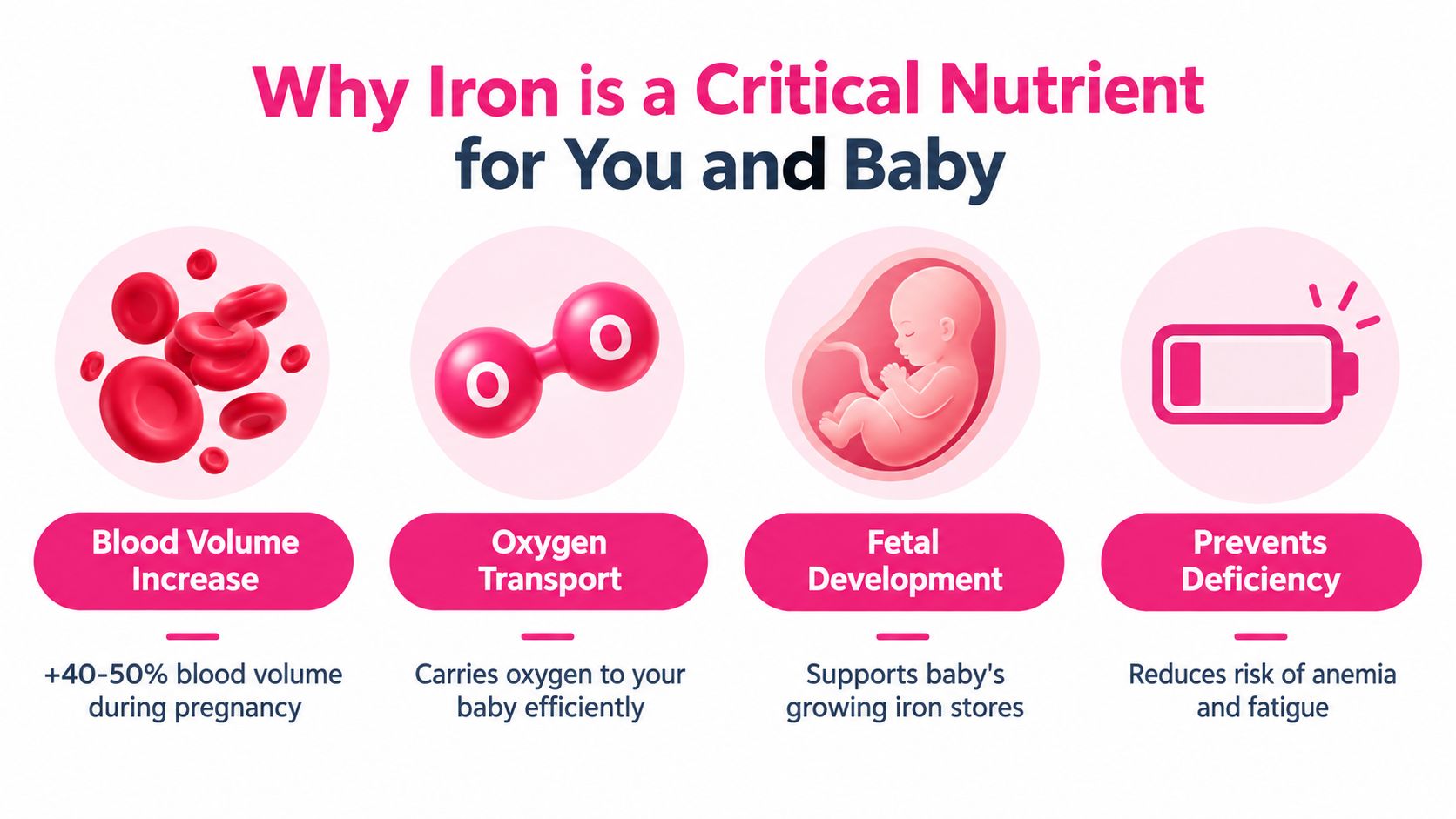
During pregnancy, your body builds and manages more blood to support the placenta and your growing baby. Iron helps make hemoglobin, the protein in red blood cells that carries oxygen. Think of hemoglobin as a fleet of delivery vans. Iron helps keep enough vans on the road to transport oxygen where it needs to go.
The U.S. pregnancy RDA for iron is 27 mg per day for pregnant adults, according to the NIH Office of Dietary Supplements pregnancy guidance. Your needs rise because blood volume expands and the fetus and placenta have their own iron demands.
What low iron can mean
Too little iron can contribute to iron-deficiency anemia. The NIH consumer fact sheet on iron explains that inadequate iron during pregnancy raises concerns for maternal iron-deficiency anemia, low birth weight, premature birth, and low infant iron levels.
Possible symptoms include:
- Fatigue: Feeling depleted can have many causes in pregnancy, so symptoms alone can't diagnose iron deficiency.
- Dizziness or weakness: These signs deserve attention, particularly if they persist.
- Shortness of breath: Mention unusual breathlessness to your healthcare provider rather than assuming it's normal.
- Pale skin or a racing heartbeat: These can have several explanations and should be assessed clinically.
Iron also connects with everyday quality of life. If you're curious about the possible link between anemia and libido, remember that fatigue and low energy can affect intimacy, mood, and daily routines, although those experiences have many possible causes.
How much is enough?
For routine U.S. prenatal use, 27 mg daily is the clearest starting benchmark. Some guidance commonly uses around 30 mg daily, while FIGO recommends 30–60 mg daily for prevention and 60–120 mg daily to treat iron-deficiency anemia until hemoglobin reaches at least 11.0 g/dL, under appropriate clinical supervision. More isn't automatically better. Treatment doses can increase gastrointestinal discomfort, and your provider should determine whether you need them.
For a practical explanation of how pregnancy changes iron needs, see this guide to iron during pregnancy. Bring your questions and lab results to prenatal visits so your iron plan reflects your actual needs, not just the front of a bottle.
Understanding Different Types of Iron in Prenatals
Iron forms can look confusing because the label may list a compound rather than saying "iron." The most familiar forms include ferrous sulfate, ferrous gluconate, and ferrous fumarate. They all provide iron, but they don't necessarily provide the same amount of elemental iron per tablet, and people can experience them differently.
The important comparison isn't only which form absorbs best in theory. It's also whether the product gives you an appropriate elemental iron amount and whether you can take it without abandoning the routine.
Comparing Common Iron Forms in Prenatal Vitamins
| Iron Form | Absorption | Common Side Effects | Cost Consideration |
|---|---|---|---|
| Ferrous sulfate | A widely used form of oral iron; absorption depends on dose, timing, and meal composition | Nausea, constipation, stomach upset, or metallic taste may occur | Often available in lower-cost generic products |
| Ferrous gluconate | Provides elemental iron in a different compound, so compare the actual iron amount on the label | May still cause gastrointestinal symptoms, though individual tolerance varies | Commonly available and often budget-conscious |
| Ferrous fumarate | Can provide a concentrated amount of elemental iron in a relatively compact serving | Digestive effects remain possible and depend on dose and personal sensitivity | May cost more or less depending on the formulation and brand |
| A gentler or modified-release design | Release pattern and timing may change how your body experiences the dose, but they don't remove the need to check elemental iron | Often chosen when nausea or stomach upset is a concern | Usually depends on capsule technology and overall formula |
These categories shouldn't be treated as a promise that one form will be comfortable for everyone. A person may tolerate ferrous sulfate well, while another feels better with ferrous fumarate or a delayed-release capsule. The amount of elemental iron, the rest of the formula, and your schedule all matter.
Read the label like a translator
Look for three details:
- Elemental iron: This is the number to compare across products.
- Serving size: One serving may contain multiple capsules or tablets.
- Release design: Delayed-release or coated capsules may change when the ingredients reach your stomach.
A product with a lower iron amount may be appropriate for routine prenatal use, while a higher amount may be intended for documented deficiency. Don't change to a therapeutic dose just because it sounds more protective.
You can review the practical difference between routine supplementation and individualized dosing in this guide to prenatal vitamin dose. If your provider recommends a particular compound, ask what elemental iron amount they want you to receive and how to handle side effects.
Key Factors for Choosing a Tolerable Prenatal Vitamin
The best formula on paper can fail in real life if it makes you feel sick every time you take it. Tolerability is not a luxury. It affects whether you take the supplement consistently, which is why the decision should include the whole formulation rather than iron alone.
Build a practical decision filter
Use these questions while reading the Supplement Facts panel:
- Does it match your iron plan? Routine prenatal use commonly centers on the pregnancy RDA, while anemia treatment may require a separate clinician-directed approach.
- Does it cover folate appropriately? NIH lists the pregnancy folate RDA as 600 mcg DFE daily, compared with 400 mcg DFE daily for nonpregnant women. CDC-referenced guidance recommends 400–800 mcg of folic acid beginning at least one month before conception and continuing through the first two to three months of pregnancy. Read the form carefully because folic acid and methylfolate aren't interchangeable for every recommendation.
- Does it fit your diet? Vegetarian, vegan, gluten-free, soy-free, and dairy-free needs can narrow the choices without making the decision impossible.
- Does it include nutrients your clinician wants you to prioritize? DHA, choline, iodine, vitamin D, and B12 may matter differently depending on your diet and medical history.
- Can you take it comfortably? Capsule size, smell, aftertaste, release design, and the number of daily pills can all influence adherence.
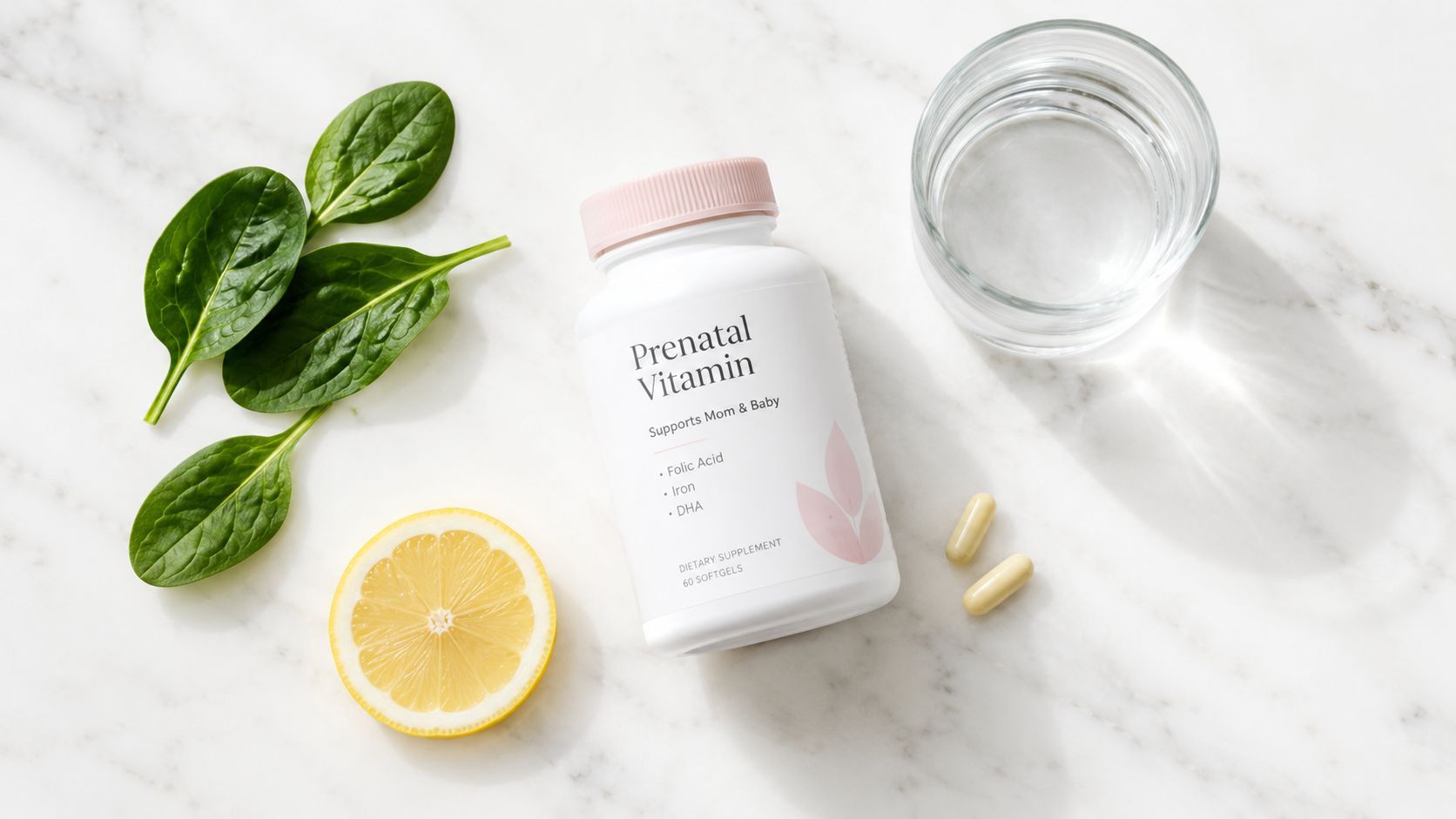
Iron absorption also depends on what surrounds the dose. Vitamin C can support non-heme iron absorption, while calcium, dairy, tea, coffee, and bran can reduce absorption when taken too closely together. The Health Canada guidance on iron also discusses timing, food, and spacing strategies.
Think beyond “more”
A longer ingredient list doesn't guarantee a better prenatal. Extra botanicals, sweeteners, or megadoses may not solve your actual problem and can complicate your routine. A cleaner decision is to identify the nutrients you need, confirm the elemental iron amount, then test whether the formula works with your stomach and schedule.
Use this guide to choosing a prenatal vitamin as a label-reading companion, but let your obstetrician, midwife, or dietitian personalize the final choice. If you have persistent vomiting, known anemia, malabsorption, or a condition affecting nutrient needs, your supplement plan deserves individual medical attention.
Practical Tips for Managing Iron Supplement Side Effects
Iron can be valuable and uncomfortable at the same time. Nausea, constipation, stomach upset, and a metallic taste are common reasons people stop taking a prenatal, but you have several ways to make the routine easier.
Try one change at a time so you can tell what helps.
Adjust the timing
- Take it with food if your stomach is sensitive: Empty-stomach dosing may improve uptake for some people, but a small meal can be a reasonable comfort strategy if nausea makes the supplement impossible to tolerate.
- Separate it from calcium: Calcium supplements and calcium-rich foods can interfere with iron absorption when taken too closely together.
- Keep coffee and tea away from the dose: These beverages can reduce non-heme iron absorption.
- Consider evening dosing: Some people find that taking iron later in the day makes nausea less disruptive, but follow your provider's instructions.
Pairing iron with a vitamin C-containing food, such as citrus or peppers, can support absorption. Don't assume a high-dose vitamin C supplement is necessary. Food and a well-planned schedule may be enough, and your provider can advise you if you have a specific deficiency.
Make constipation less overwhelming
Drink fluids regularly, add fiber-rich foods as tolerated, and include gentle movement such as walking. If constipation continues, ask your healthcare provider whether a stool softener or a different iron strategy is appropriate rather than discontinuing the prenatal.
You can also review these practical ideas for constipation from prenatal vitamins. Contact your care team if you have severe abdominal pain, vomiting, blood in your stool, or symptoms that don't improve.
Your comfort is clinical information. If a supplement consistently makes you miserable, tell your provider. That feedback can help them adjust the form, timing, or dose.
Alternate-day or intermittent dosing may reduce nausea and constipation for some pregnant people, but it isn't a universal substitute for prescribed treatment. If anemia or low ferritin is present, ask before changing the schedule.
Introducing Feed Mom and Me Complete Prenatal Vitamin
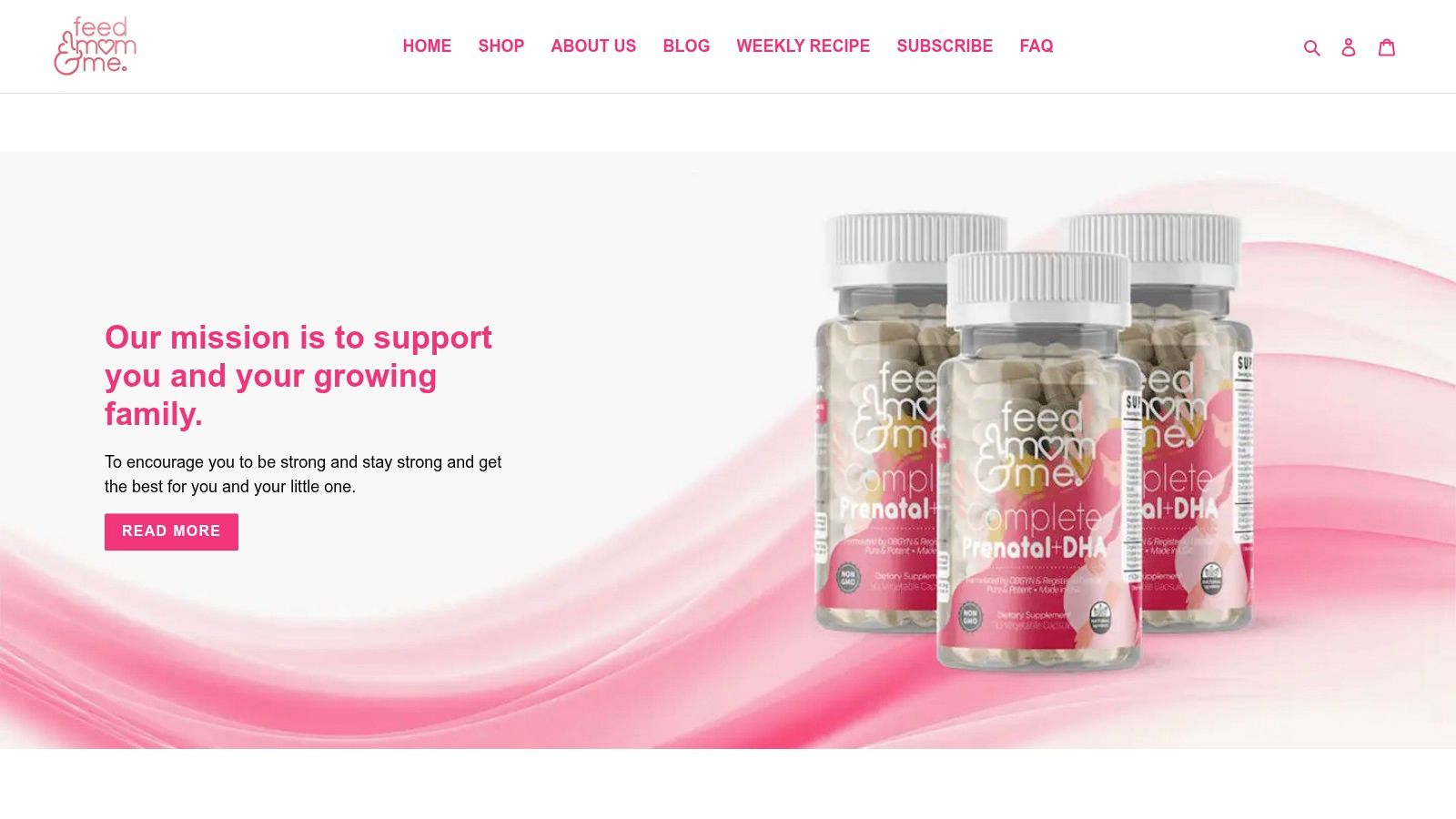
After you've compared iron forms and tolerability features, you may want a formula that combines pregnancy-focused nutrients with a design intended for sensitive stomachs. Feed Mom & Me Complete Prenatal Vitamin Plus DHA is one option to discuss with your healthcare provider.
The brand is women-owned and built by moms, for moms, which shows up in its focus on practical pregnancy routines and accessible nutrition education. Its product information describes a vegetarian, soy-free, gluten-free, dairy-free formula without artificial colors, flavors, or chemical additives.
What the formula brings together
The product emphasizes several nutrients that commonly matter in prenatal planning:
- DHA: An omega-3 fatty acid included in the formula.
- Choline: A nutrient involved in pregnancy nutrition and fetal development.
- Selenium: Included as part of the broader nutrient profile.
- Methylfolate: The formula uses L-5-MTHF, a form of folate.
- Iron: The product information lists 18 mg of iron from ferrous fumarate. That amount is below the U.S. pregnancy RDA of 27 mg, so ask your provider whether it fits your dietary intake, lab results, and overall supplement plan.
- Peppermint and organic ginger: Included to support palatability and digestion.
- Delayed-release vegetable capsules: Designed to help the ingredients pass through the stomach in a way that may feel more comfortable for some people.
That 18 mg iron amount is an important example of why a prenatal shouldn't be judged by its marketing language alone. A formula can be thoughtfully designed and still require an individualized conversation about whether you need additional iron from food or a separate supplement.
How to decide whether it fits you
Start with your care plan. If your clinician wants routine prenatal support and your diet contributes iron, the formula may be worth reviewing. If your bloodwork shows iron-deficiency anemia or low ferritin, your provider may recommend additional iron or a different dosing strategy.
Pay attention to the full daily serving, not just the capsule format. Check whether the product supplies the nutrients your clinician has prioritized, whether it fits your dietary restrictions, and whether you can take it without persistent nausea or constipation.
You can review the product details for Feed Mom & Me Complete Prenatal Vitamin Plus DHA, then bring the label to your next appointment. A prenatal is a support tool, not a replacement for balanced meals, prenatal care, or lab-guided treatment.
Feed Mom & Me offers a vegetarian prenatal with DHA, choline, methylfolate, ginger, peppermint, and 18 mg of ferrous fumarate iron in delayed-release capsules. Visit Feed Mom & Me to review the formula and choose a supplement you can discuss confidently with your healthcare provider.