
Gluten Free Soy Free Vegetarian Recipes: 7 Easy Meals
Published:Updated:
Can you find recipes that meet all three dietary needs without ending up with the same plain bowl of vegetables every day? Gluten free soy free vegetarian recipes can be colorful, satisfying, and practical during pregnancy and postpartum. The key is to build meals around concentrated protein, iron-rich legumes and seeds, vitamin C-rich produce, calcium sources, healthy fats, and carefully selected fortified foods.
This roundup brings you eight pregnancy-friendly meals for real eating moments, including a make-ahead breakfast, a nausea-friendly soup, a quick salad, family tacos, a freezer meal, and flexible meal-prep options. You'll see how quinoa, lentils, chickpeas, beans, nuts, seeds, eggs or dairy if you include them, and fortified alternatives can support protein, iron, folate, choline, and healthy fats. Plant foods don't naturally provide DHA, so provider-approved algae-derived DHA may also deserve a place in your plan.
Ingredient labels matter, especially for hidden wheat, barley, rye, soy flour, soy lecithin, and shared manufacturing. For baking ideas, Mise's guide to gluten free baking can help you understand how alternative flours and binders behave. Your healthcare provider or registered dietitian can personalize supplement and food guidance for pregnancy, breastfeeding, allergies, nausea, and postpartum recovery.
Feed Mom & Me also offers weekly recipes and downloadable meal-planning resources if you'd like extra structure without planning every meal from scratch.
Table of Contents
- How Do You Build a Pregnancy-Supportive Gluten Free Soy Free Vegetarian Meal?
- 1. How Can You Make a Quinoa and Roasted Vegetable Buddha Bowl?
- 2. What Makes a Crispy Chickpea and Kale Salad Feel Like a Meal?
- 3. Can Lentil and Roasted Carrot Soup Help on Nausea Days?
- 4. How Do Sweet Potato and Black Bean Tacos Work for Family Dinner?
- 5. Why Is Millet Porridge a Gentle Make-Ahead Breakfast?
- 6. How Can Chickpea Curry Become a Freezer-Friendly Dinner?
- 7. Can Buckwheat Pancakes Make Breakfast More Flexible?
- 8. What Makes Stuffed Bell Peppers a Flexible Meal-Prep Option?
- 8-Recipe Comparison: Gluten-Free, Soy-Free Vegetarian Recipes
- How Can You Make These Recipes Work for Your Week?
How Do You Build a Pregnancy-Supportive Gluten Free Soy Free Vegetarian Meal?
A vegetarian pregnancy diet can be nutritionally adequate when it's well planned. The NIH Office of Dietary Supplements pregnancy guidance specifically highlights iron, zinc, vitamin B12, calcium, iodine, vitamin D, protein, and EPA/DHA as nutrients that deserve close attention. It also notes that the Academy of Nutrition and Dietetics considers well-planned vegetarian and vegan diets nutritionally adequate during pregnancy.
Removing gluten and soy can make meal planning feel narrower, but it doesn't remove your options. Beans, lentils, chickpeas, quinoa, buckwheat, millet, nuts, seeds, eggs, dairy if tolerated, and fortified plant milks can create a varied foundation. Think of your plate as a small construction project. Legumes and grains provide structure, colorful vegetables add micronutrients and flavor, and seeds, nut butters, dairy, or fortified alternatives add density.
Protein deserves special attention because wheat and soy often appear in familiar vegetarian meals. Boston Medical Center says pregnant people should consume at least 71 grams of protein daily, while Cleveland Clinic describes a typical range of 71 to 75 grams per day in its pregnancy vegetarian diet guidance. Those figures are individual targets to discuss with your provider, not a reason to pressure yourself at every meal.
A simple meal-building pattern helps:
- Start with protein: Add lentils, beans, chickpeas, eggs, Greek yogurt, cottage cheese, nuts, seeds, or a fortified alternative.
- Add an iron source: Use lentils, beans, chickpeas, quinoa, pumpkin seeds, leafy greens, or iron-fortified foods.
- Bring in vitamin C: Include citrus, berries, tomatoes, bell peppers, broccoli, or lime alongside plant-based iron.
- Include healthy fats: Try tahini, avocado, almond butter, walnuts, chia seeds, flax, or olive oil.
- Check fortification: Look for calcium, vitamin D, vitamin B12, iodine, and protein in fortified foods and supplements.
Practical rule: A plate built from vegetables and gluten-free grains may look abundant but still need a concentrated protein source.
1. How Can You Make a Quinoa and Roasted Vegetable Buddha Bowl?
This bowl works especially well as a make-ahead lunch or dinner because you can prepare the components separately and assemble them when you're hungry. Cook quinoa, roast sweet potatoes and Brussels sprouts, and season chickpeas with olive oil, lemon, garlic, or herbs. Quinoa provides plant protein, while chickpeas add protein, iron, folate, and fiber. The sweet potatoes and Brussels sprouts bring color, texture, and a naturally sweet roasted flavor.
Tahini, made from sesame seeds, creates a creamy drizzle with calcium and healthy fats. Thin it with lemon juice and water rather than spooning it directly over the bowl. The lemon adds brightness and places a vitamin C-rich ingredient beside plant-based iron sources, which is a useful pairing for everyday meal planning.
Make the bowl work for your energy level
Roast vegetables in a large batch on a day when you feel able. You can then keep cooked quinoa in the refrigerator for several days and assemble portions with fresh spinach or arugula just before eating. If raw greens feel unappealing, fold them into the warm vegetables so they soften.
Seasonal swaps keep the idea from becoming repetitive. Use asparagus and peas in spring, zucchini and tomatoes in summer, or beets and kale in winter. If nausea makes cold food difficult, warm the bowl gently and serve the tahini sauce on the side.
For another quinoa-centered idea, explore this black bean quinoa burger recipe. It can give you a different texture while keeping beans and quinoa in the rotation.
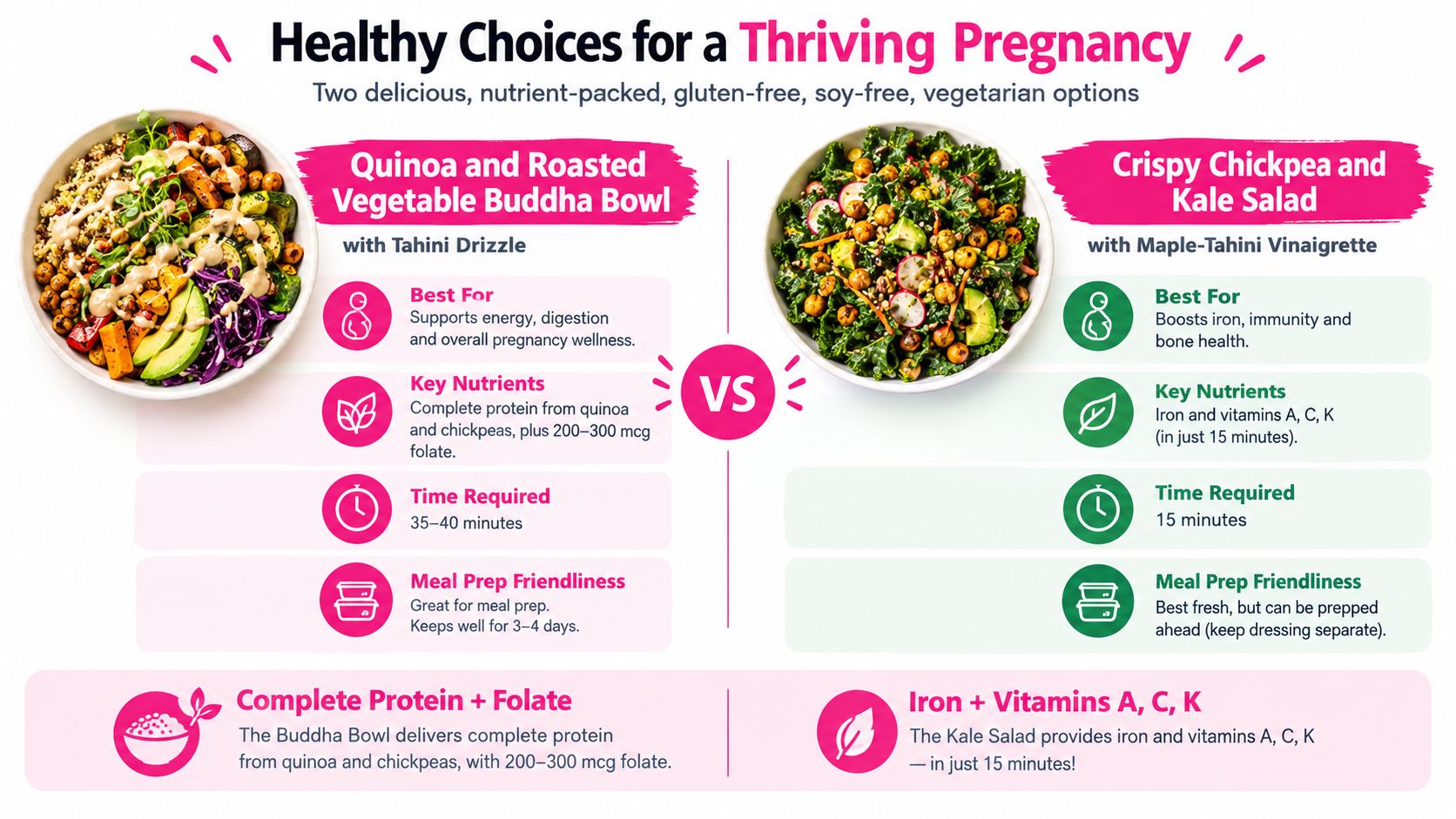
Warm quinoa, roasted vegetables, chickpeas, and lemony tahini make a flexible base. Change the vegetables, not the whole plan.
2. What Makes a Crispy Chickpea and Kale Salad Feel Like a Meal?
A salad becomes much more satisfying when it has crunch, protein, fat, and a dressing that ties everything together. Roast chickpeas with a little olive oil and salt until crisp, then use them like croutons. They contribute plant protein and iron, while kale adds folate and vitamin C. Massage the kale with clean hands and a pinch of salt for 1 to 2 minutes, or sauté it briefly if raw greens feel too heavy.
The maple-tahini vinaigrette balances earthy greens with gentle sweetness. Whisk tahini with maple syrup, lemon juice, water, and a little salt. Tahini can settle, so shake or whisk the dressing again before serving.
Prepare the kale, chickpeas, dressing, and toppings separately. Assemble only what you'll eat immediately so the leaves stay pleasant rather than soggy. Pumpkin seeds or sunflower seeds add crunch and can contribute magnesium and zinc, but check labels for shared allergen facilities if you're managing multiple sensitivities.
- For a quick lunch: Add avocado, cucumber, roasted peppers, or a baked potato.
- For a softer texture: Sauté kale in olive oil for 2 to 3 minutes before mixing.
- For nausea days: Serve the salad at room temperature or slightly chilled if warm food feels difficult.
- For meal prep: Keep crispy chickpeas in a dry container and add them at the last moment.
A batch of roasted chickpeas can support several meals, including this salad, a soup topping, or a snack with fruit.
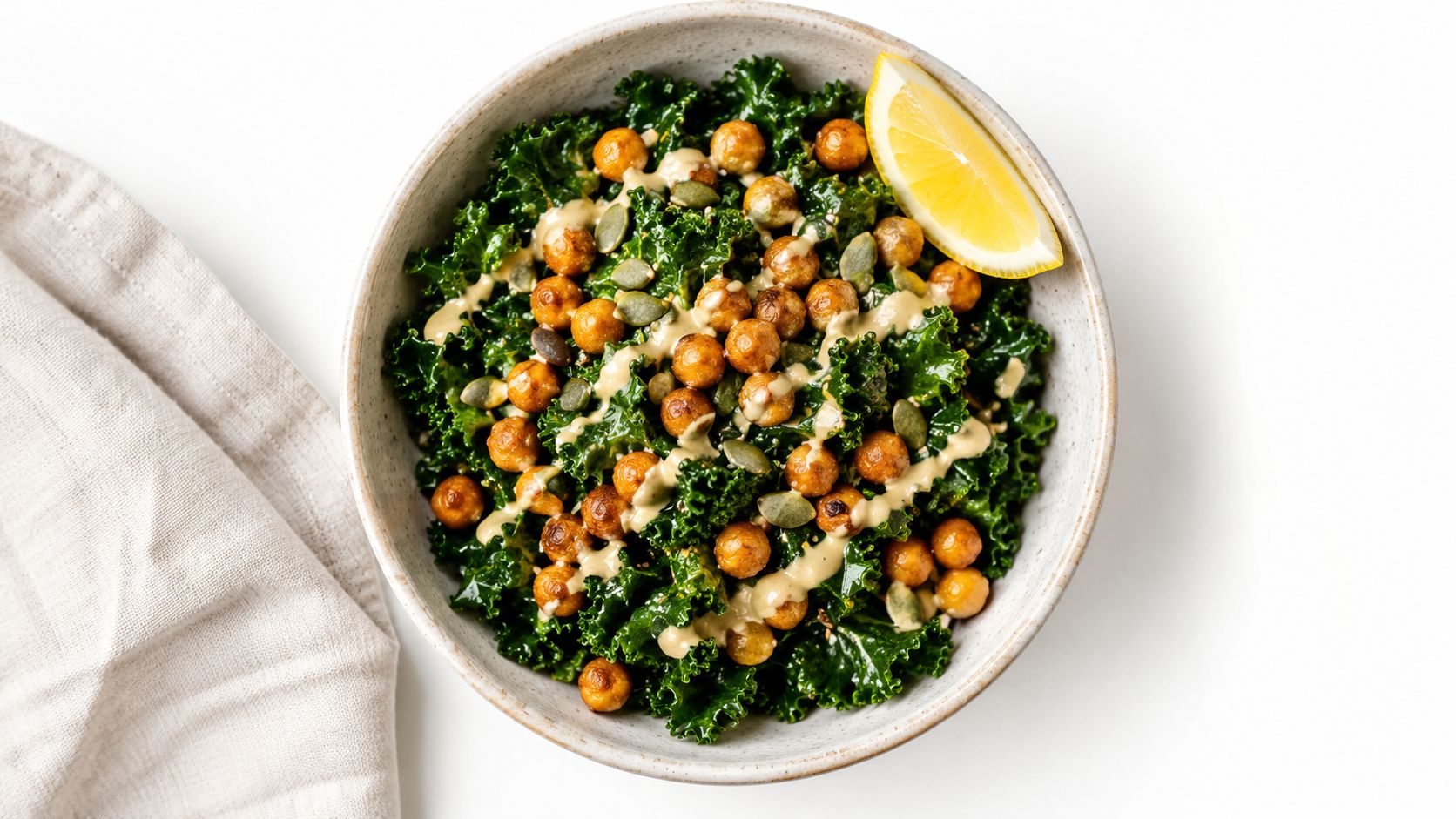
Once the ingredients are ready, add the dressing and chickpeas just before eating for the best contrast between tender greens and crisp toppings.
3. Can Lentil and Roasted Carrot Soup Help on Nausea Days?
When nausea makes cooking feel impossible, a mild, one-pot soup can be easier to manage than a complicated meal. Red lentils cook into a soft texture and provide protein, iron, and folate. Roasted carrots add sweetness and beta-carotene, while fresh ginger gives the broth a bright, warming note without relying on heavy seasoning.
Roast peeled carrots with olive oil until caramelized, then simmer them with red lentils, broth, and ginger. Start with 1 teaspoon of fresh ginger per pot and adjust slowly. You can blend part of the soup for creaminess while leaving some lentils whole, which gives you both a smooth spoonful and enough texture to make the bowl feel substantial.
The NIH National Center for Complementary and Integrative Health ginger guidance says ginger may help with nausea and may be safe as a supplement during pregnancy. A pregnancy guide indexed by NCBI describes a studied regimen of 250 mg per dose, taken 3 or 4 times daily, but supplement dosing is not the same as adding fresh ginger to food. Ask your provider before using ginger supplements, especially if you take medication or have a condition that affects bleeding.
Use lemon as a finishing ingredient
A squeeze of lemon at the table brightens the soup and adds vitamin C beside plant-based iron. Make a large batch when you have more energy, cool it safely, and freeze individual portions in suitable containers. Reheat gently on the stovetop, and add fresh lemon after warming.
- If texture matters: Blend only half the pot.
- If appetite is small: Serve a modest bowl with gluten-free toast or a seed-based cracker.
- If fatigue is high: Use frozen chopped carrots or prewashed greens to reduce preparation.
- If postpartum support is arriving: Freeze clearly labeled portions so someone else can reheat them for you.
For another ginger-focused idea, you can browse this pineapple ginger recipe, while remembering that food recipes and concentrated remedies have different considerations.
4. How Do Sweet Potato and Black Bean Tacos Work for Family Dinner?
Tacos let everyone build a plate that suits their appetite, which makes them useful during pregnancy when preferences can change quickly. Roast small cubes of sweet potato until the edges caramelize, warm certified gluten-free corn tortillas, and fill them with seasoned black beans. Black beans contribute iron, folate, and fiber, while sweet potatoes add beta-carotene, potassium, and B vitamins.
Pairing the beans with lime, tomatoes, or bell peppers gives the meal a vitamin C element alongside plant-based iron. A coconut cream lime crema adds richness without dairy or soy. Blend ¾ cup of coconut cream with the juice of 1 lime and a pinch of salt, then thin it with water until it drizzles easily.
Let everyone assemble their own
Set out the tortillas, beans, sweet potatoes, crema, avocado, radishes, herbs, and sliced red onion. Partners and older children can choose their toppings, which takes pressure off you and turns dinner into a shared activity. If cilantro suddenly tastes soapy, use parsley or mint instead. Pregnancy can change how familiar ingredients taste, and there's no need to force a food that now makes you uncomfortable.
Roast extra sweet potatoes for the next morning. They're good with almond butter and seeds, folded into a breakfast hash, or added to a warm grain bowl. For a playful variation, see Mama's taco recipe and adapt the toppings to your household.
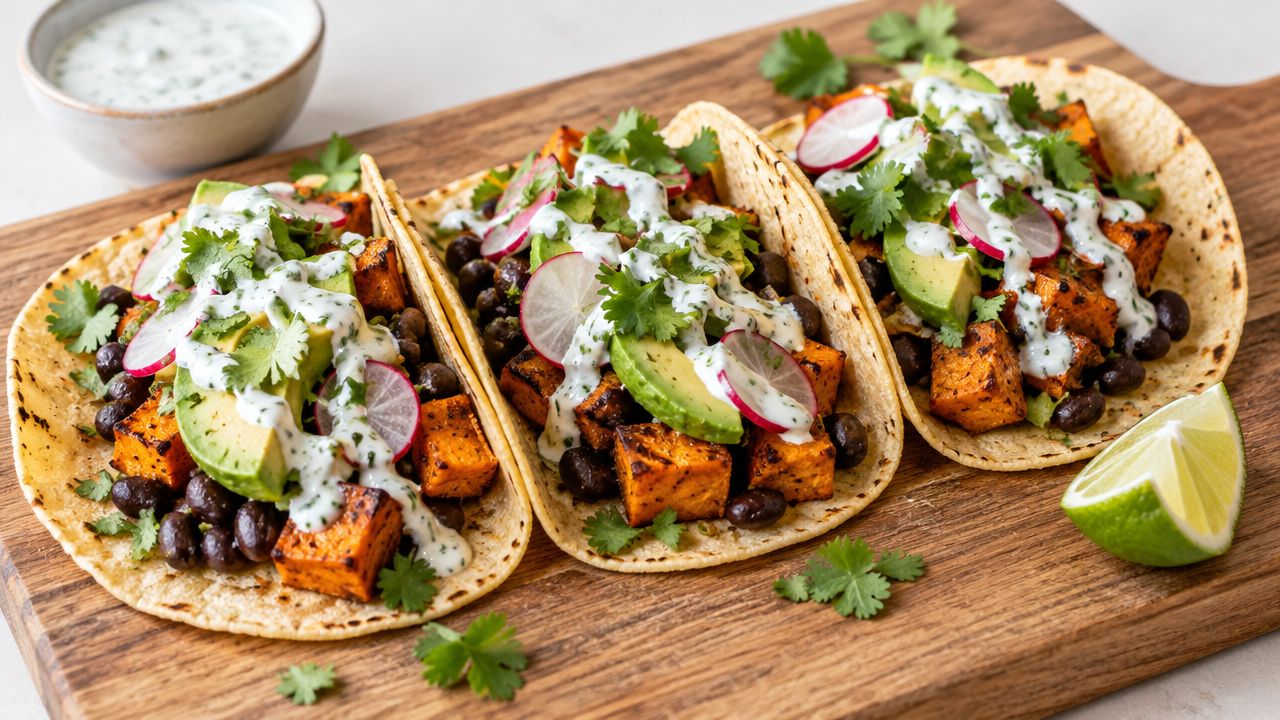
Put the components on the table and let your family do the assembling. A flexible dinner is still a nourishing dinner.
5. Why Is Millet Porridge a Gentle Make-Ahead Breakfast?
Millet gives you a warm, naturally gluten-free alternative to the breakfast grains you may be tired of eating. Rinse it first, then simmer it with coconut milk, water, or a combination until creamy. Berries add vitamin C and natural brightness, while almond butter contributes protein, healthy fats, and vitamin E.
Use a 1-to-3 millet-to-liquid ratio, then simmer for 12 to 15 minutes, stirring occasionally. The finished porridge thickens as it stands, so add more coconut milk or a fortified plant milk when reheating. If you're using a plant milk, check the label for calcium, vitamin D, vitamin B12, and iodine because fortification varies by product.
This is a good breakfast for a low-appetite morning because you can take a few spoonfuls at a time. Add berries at the end so they keep their texture, and stir almond butter into the warm porridge so it melts through each portion. Cinnamon can add warmth without extra sweetness, though it shouldn't be used as a substitute for individualized blood-sugar guidance.
Build protein into breakfast
A grain-based breakfast is more sustaining when you add a concentrated protein source. Try almond butter, pumpkin seeds, hemp seeds if they fit your dietary plan, Greek yogurt if you eat dairy, or a provider-approved protein addition. The banana nut oatmeal recipe offers another way to combine a breakfast grain with nuts and fruit, but confirm that any oats you use are certified gluten free if cross-contact matters for you.
Portion the porridge after cooking and refrigerate it for easy reheating. A breakfast waiting in the refrigerator can make a slow, nauseated morning feel much less demanding.
6. How Can Chickpea Curry Become a Freezer-Friendly Dinner?
Curry brings warmth and depth to a gluten-free, soy-free vegetarian menu without requiring meat or wheat-based ingredients. Chickpeas provide protein, iron, and fiber, while spinach adds folate and vitamin C. Simmer them in coconut milk with onion, garlic, cumin, ginger, and turmeric, then serve the curry over millet or rice.
Toast whole cumin or coriander briefly in a dry pan if you have the energy. Blooming spices in warm oil deepens the flavor, but you can also use ground spices and keep the preparation simple. Add spinach near the end so it wilts rather than cooks down for too long. Lime at the table brightens the dish and complements the iron-rich chickpeas and greens.
Go slowly with spice. Pregnancy can heighten sensitivity to smell and heat, so a mild curry may be more appealing than your usual version. You can add chili oil or extra seasoning to individual servings instead of making the whole pot hot.
Freeze the base, finish it later
Prepare the chickpea and coconut curry base ahead of time, then add spinach when you reheat it. Freeze portions in containers that match the amount you're likely to eat, and label each one with the recipe name and date. If someone offers to help, give them a simple job such as cooking the millet, portioning the curry, or adding lime and toppings.
The U.S. Veterans Affairs nutrition guide notes that calorie needs rise by about 340 calories per day in the second trimester and about 450 calories per day in the third trimester. That makes energy-dense ingredients such as coconut milk, nuts, seeds, avocado, and olive oil useful additions when your provider says your intake needs to increase.
7. Can Buckwheat Pancakes Make Breakfast More Flexible?
Buckwheat sounds like it belongs in the wheat family, but it's a naturally gluten-free seed. Choose a package labeled 100% buckwheat flour, because blended products may include wheat. The flour makes hearty pancakes with a slightly earthy flavor, and mashed berries provide sweetness and vitamin C without requiring a large pour of syrup.
Let the batter rest for 5 minutes before cooking. Use medium-low heat because buckwheat can brown quickly, and cook until the centers are set. Coconut yogurt can add creaminess and calcium, but check whether the product is fortified and whether it contains ingredients you avoid.
Cook once, serve several times
Make a double batch on a morning when your energy is better. Freeze the cooked pancakes in a single layer before transferring them to a freezer bag, placing paper between layers if needed. Reheat them in a toaster or toaster oven for a quick breakfast that doesn't require mixing, measuring, or washing a bowl.
Add chopped walnuts, pumpkin seeds, or almond butter when you need more staying power. If you're looking for a shortcut, this organic gluten free pancake mix may simplify preparation, but read the full ingredient and allergen statement before buying.
A freezer breakfast gives you a choice on difficult mornings. You can eat first and cook later.
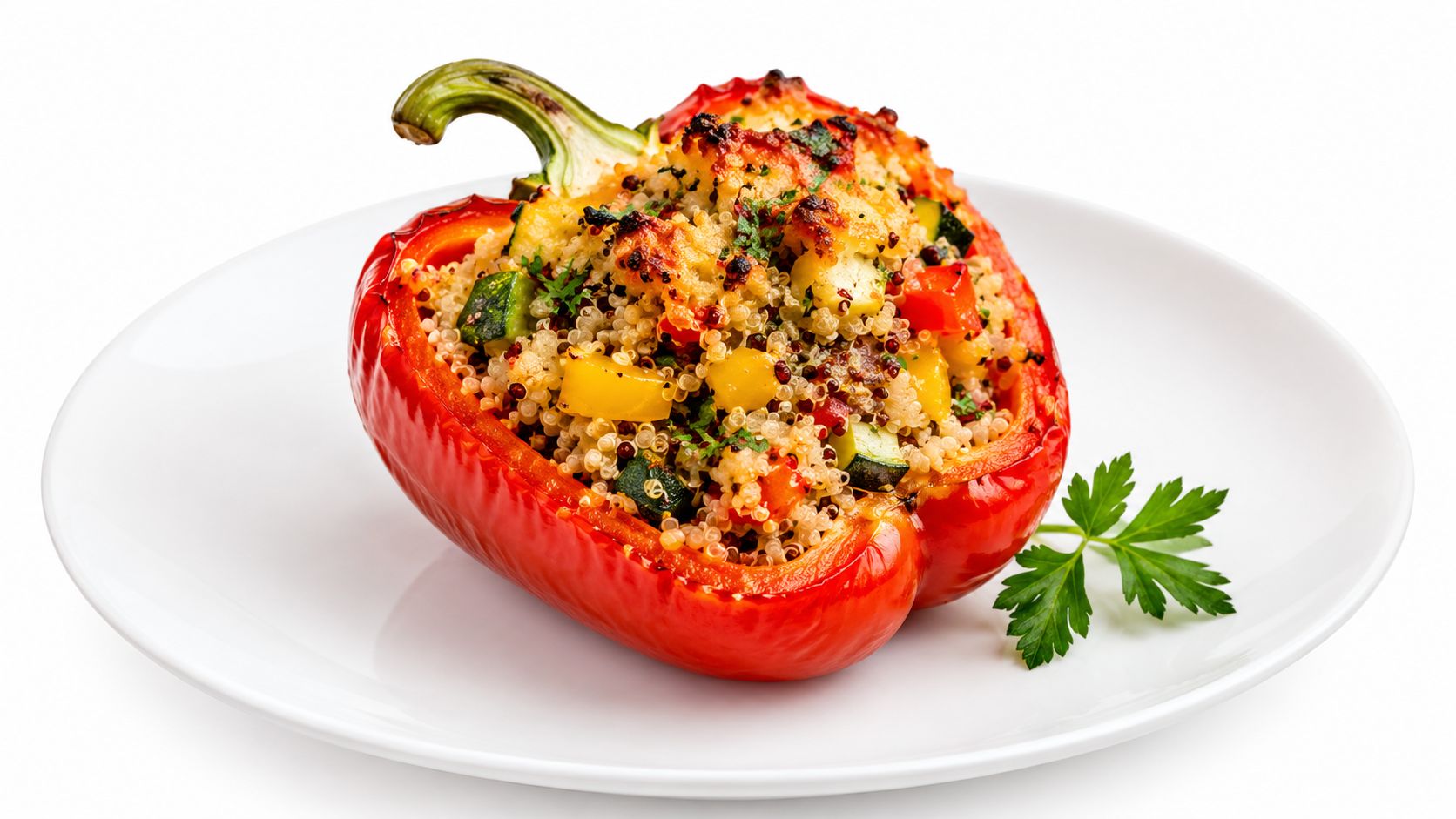
8. What Makes Stuffed Bell Peppers a Flexible Meal-Prep Option?
Stuffed peppers look special enough for a family meal but can be prepared in stages. Choose large red, yellow, or orange peppers, remove the seeds, and fill them with cooked quinoa, diced zucchini, tomatoes, onions, fresh herbs, and olive oil. Quinoa supplies protein and magnesium, while peppers contribute vitamin C, potassium, and vitamin B6.
The vitamin C in bell peppers makes them especially useful beside quinoa and other plant foods that contribute iron. Add beans, lentils, pumpkin seeds, or grated cheese if tolerated to make the filling more substantial. You can also use leftover roasted vegetables, which turns the recipe into a practical way to reduce food waste.
Prepare the filling before you need dinner
Cook the quinoa and vegetables ahead of time, then refrigerate the assembled peppers until baking. If they go into the oven cold, allow extra cooking time and check that the filling is hot throughout. If a pepper won't stand upright, trim a thin slice from the bottom without cutting through the shell.
The planned method uses 6 to 8 large bell peppers and bakes them at 375°F for 30 to 40 minutes. Make extra filling and freeze it separately. Later, thaw the filling, stuff fresh peppers, and bake. That small bit of preparation can turn a demanding dinner into an achievable one.
8-Recipe Comparison: Gluten-Free, Soy-Free Vegetarian Recipes
| Recipe | Implementation Complexity 🔄 | Time & Resource Needs ⚡ | Expected Nutritional Outcomes 📊⭐ | Ideal Use Cases 💡 | Key Advantages ⭐ |
|---|---|---|---|---|---|
| Quinoa and Roasted Vegetable Buddha Bowl with Tahini Drizzle | 🔄 Moderate, oven roasting + assembly | ⚡ ~30 min; needs tahini, oven, cooked quinoa | 📊 High folate (200–300 mcg), protein 15–18 g, iron 4–6 mg, ⭐⭐⭐ | Meal prep, mid-trimester nutrient support, busy weeks | Complete plant protein, meal-prep friendly, dairy-free |
| Crispy Chickpea and Kale Salad with Maple-Tahini Vinaigrette | 🔄 Low–Moderate, roast chickpeas, massage kale | ⚡ 15–25 min (longer if roasting fresh chickpeas); blender optional | 📊 Iron 4–5 mg, folate ~145 mcg/serving, vitamin C 80 mg, ⭐⭐ | Quick lunches, fresh assembly, last-minute meals | Crunchy texture, quick to double, gentle on nausea |
| Lentil and Roasted Carrot Soup with Fresh Ginger | 🔄 Low, one-pot simmer + optional roasting | ⚡ ~30 min; minimal pantry, freezer-friendly | 📊 Folate ~180 mcg/cup lentils, iron 3–4 mg, protein ~9 g, ⭐⭐⭐ | Nausea relief, freezer meals, soothing dinners | Easy digestion, ginger soothes nausea, cost-effective |
| Sweet Potato and Black Bean Tacos with Lime Crema | 🔄 Low–Moderate, roast sweet potatoes, assemble | ⚡ ~25 min; needs coconut cream, corn tortillas | 📊 Folate ~128 mcg (beans), iron 3–4 mg, very high vitamin A, ⭐⭐ | Family dinners, customizable meals, crowd-pleasing | Customizable toppings, satisfying flavor, quick assembly |
| Millet Porridge with Coconut Milk, Berries, and Almond Butter | 🔄 Low, simple stovetop porridge | ⚡ ~15 min; needs millet, coconut milk, almond butter | 📊 Magnesium ~97 mg/cup, protein 7 g (almond butter), vitamin C from berries, ⭐⭐ | Soothing breakfasts, nausea-friendly mornings, breastfeeding fuel | Gentle on digestion, hypoallergenic, reheats well |
| Chickpea Curry with Coconut Milk and Spinach over Millet | 🔄 Moderate, spice toasting + one-pot cooking | ⚡ ~30 min; multiple spices, freezer-friendly | 📊 Folate 130–140 mcg (spinach), iron ~4 mg, protein 12–15 g; anti-inflammatory spices, ⭐⭐⭐ | Comforting family dinners, batch-cooking, freezing | Flavorful one-pot meal, freezes well, nutrient-dense |
| Buckwheat Pancakes with Mashed Berries and Coconut Yogurt | 🔄 Low, batter + stovetop cooking | ⚡ ~15–20 min per batch; needs buckwheat flour, coconut yogurt | 📊 Magnesium ~86 mg, vitamin C 40–60 mg, protein 8–10 g, ⭐⭐ | Batch breakfasts, freezer-ready mornings, gentle digestion | Freezer-friendly, gluten-free, comforting breakfast |
| Stuffed Bell Peppers with Quinoa, Vegetables, and Herbs | 🔄 Moderate, assemble + bake (30–40 min) | ⚡ 30–40 min bake; assemble-ahead friendly | 📊 Vitamin C 150–200 mg/pepper, potassium ~300 mg, complete protein 8–10 g, ⭐⭐⭐ | Make-ahead dinners, meal prep for guests/family | Impressive presentation, customizable, reheats well |
How Can You Make These Recipes Work for Your Week?
Start with three meals, not a complete overhaul. Choose one quick meal, such as the kale salad or tacos, one make-ahead breakfast, such as millet porridge or buckwheat pancakes, and one freezer-friendly dinner, such as lentil soup, chickpea curry, or stuffed peppers. This gives you options for different energy levels without asking you to cook every day.
On a higher-energy day, batch-cook quinoa, millet, rice, lentils, chickpeas, or black beans. Roast a tray of vegetables at the same time, wash greens, and mix one dressing. Store components separately so you can turn the same ingredients into a bowl, salad, taco, or stuffed pepper filling.
Keep the iron and vitamin C pairing simple. Add lime to beans, lemon to lentil soup, berries to buckwheat pancakes, or bell peppers to a quinoa filling. These combinations improve flavor and make it easier to include vitamin C-rich produce beside plant-based iron sources.
Labels deserve a close look. Gluten can appear in seasoning blends, broths, sauces, pancake mixes, breadcrumbs, and shared-facility statements. Soy can appear in protein products, sauces, lecithin, and prepared vegetarian foods. If you're avoiding gluten or soy for an allergy or medical reason, use the labeling standard recommended by your healthcare provider and manufacturer guidance.
Choline also needs attention. Pregnancy guidance commonly emphasizes a need for 450 mg of choline per day, and many prenatal supplements contain little or none of it, as discussed by Balchem's summary of NIH pregnancy nutrient guidance. Eggs, dairy, beans, quinoa, nuts, seeds, and some fortified foods can contribute, but your best sources depend on whether you eat animal products, your portion patterns, and your supplement.
DHA requires a separate conversation. Plant foods don't naturally provide DHA, so an algae-derived DHA supplement may be a provider-approved alternative for vegetarian or vegan diets. The NIH pregnancy guidance also highlights EPA and DHA as nutrients that may require special consideration, alongside iron, zinc, vitamin B12, calcium, iodine, vitamin D, and protein.
Feed Mom & Me Complete Prenatal Vitamin Plus DHA is presented as a vegetarian, soy-free, gluten-free, dairy-free option containing DHA, choline, selenium, and methylfolate. The women-owned brand was built by moms for moms and pairs its prenatal product with nutrition education, weekly recipes, and downloadable resources intended to support conversations with healthcare professionals. Peppermint and organic ginger are included for palatability, while delayed-release vegetable capsules are designed with tolerability in mind, but every supplement still deserves a personal review with your provider.
Use these recipes as building blocks rather than rules. Your appetite, symptoms, food access, culture, allergies, and medical history all matter. Ask your obstetrician, midwife, or registered dietitian how much protein, iron, choline, iodine, vitamin B12, vitamin D, calcium, and DHA you need personally, mama.
Feed Mom & Me offers a Complete Prenatal Vitamin Plus DHA alongside weekly pregnancy-friendly recipes and downloadable meal-planning resources that can support a gluten-free, soy-free vegetarian routine. Visit Feed Mom & Me to explore the prenatal option and practical nutrition tools, then bring your questions to your healthcare provider.